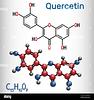
Effect of oral treatment with quercetin on inflammatory and oxidative stress markers in patients with chronic obstructive pulmonary disease
Abstract
Background: Airway inflammation plays a major role in the development and progression of chronic obstructive pulmonary disease (COPD). Quercetin, which has potent antioxidant and anti-inflammatory properties reduces lung inflammation in mice displaying COPD-like lung disease. Previously we showed that quercetin was safely tolerated up to 2000 mg/day. We conducted a pilot Phase II clinical trial to examine the effects of quercetin on inflammation in COPD patients. Methods: Fourteen COPD patients with ≥ 10 pack-year smoking history and CRP > 3.0 mg/L were randomized in 1:2 ratio to either placebo or quercetin 2000 mg/day for 6 months. Blood and bronchoalveolar lavage fluid (BALF) were collected at baseline and 6 months post-treatment. The reduction of inflammatory and oxidative stress biomarkers in BALF and blood were expressed as change from baseline. Safety of quercetin was assessed based on FEV1 and blood tests. Results: Plasma quercetin levels significantly increased after treatment in only quercetin group. The levels of IL-8, IL-1β, and 8-isoprostane in the BAL and serum SP-D were significantly different from baseline in patients treated with quercetin, but not placebo. The patient-reported disease symptoms showed lowering trend in quercetin-treated group. No study drug-related adverse events were observed as assessed by comprehensive metabolic panel and FEV1. Conclusions: Oral treatment with quercetin was safely and well-tolerated by COPD patients. Quercetin treatment reduced some lung and serum inflammatory biomarkers in COPD. Further prospective studies are necessary to confirm the anti-inflammatory and antioxidant effects of quercetin in COPD patients and to determine if quercetin offers any clinical benefit.Details