Generic sports
Generic sports represents competitive team or individual play such as basketball, soccer, tennis, volleyball, or similar activities. Intensity is intermittent and sport-specific, often moving across Z1–Z5 rather than remaining in one cardio zone.
Cardio
Compound
At a glance
Difficulty
Easy
Exercise Type
Cardio
Muscle Group
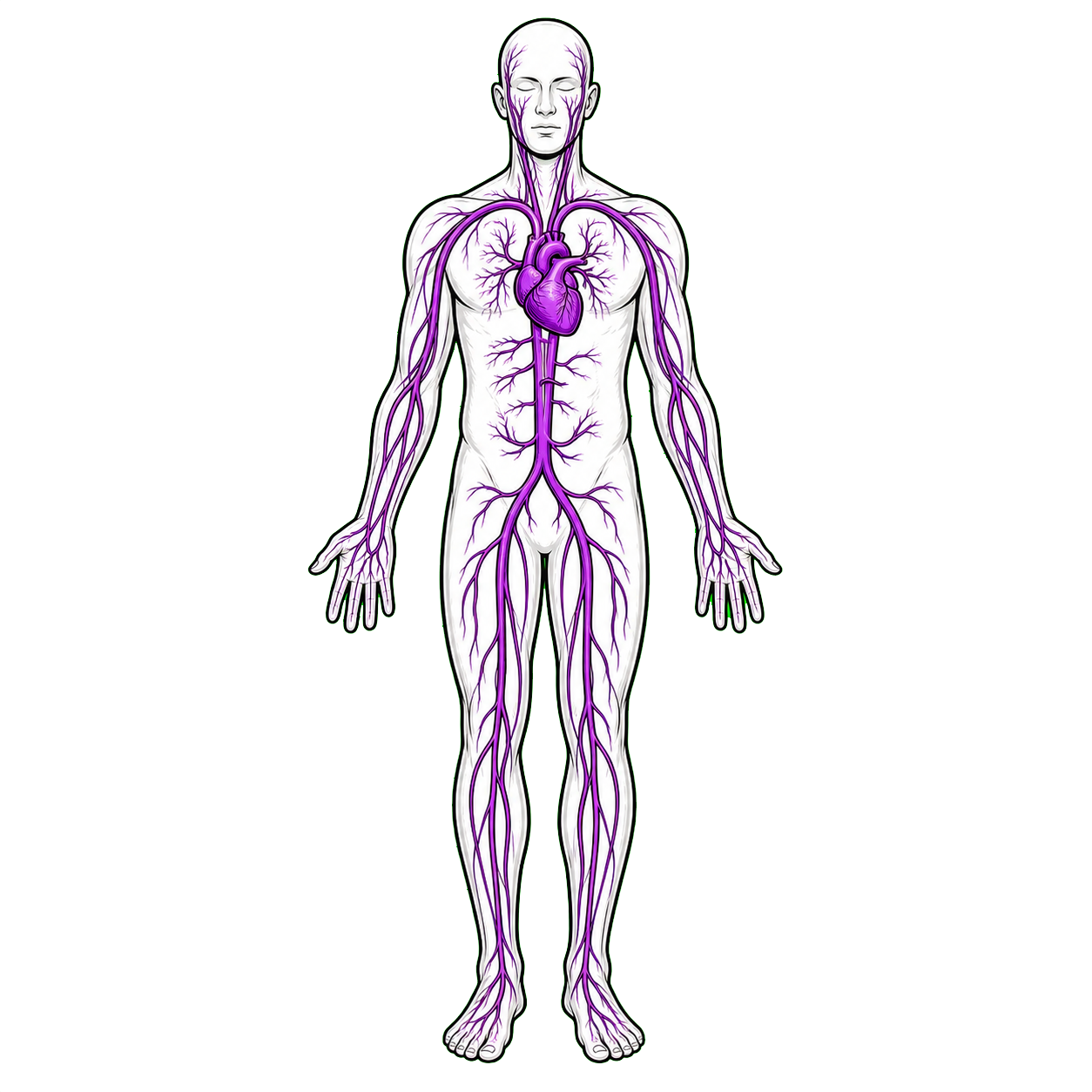
Cardiovascular
Equipment
Bodyweight
Force Type
Mixed
Mechanics
Compound
Why this exercise matters
Competitive sport can make conditioning easier to sustain because fitness gains arrive through play, skill, and social engagement.
- Variable-intensity fitness — Repeated easy phases and bursts can train both aerobic endurance and high-end capacity across several zones.
- Whole-body athleticism — Accelerating, stopping, turning, jumping, and striking develop coordination and sport-specific power beyond steady cardio.
- Adherence through pleasure — Games, teammates, opponents, and skill goals can make exercise more rewarding and improve consistency.
- Broad health stimulus — Regular play supports cardiovascular health, energy expenditure, and—depending on the sport—meaningful muscle and bone loading.
How to perform
Use 30–60 minutes of organized play with sport-specific rules, equipment, and space. Match the session to current skill, fitness, and contact tolerance.
- Prepare — Inspect the playing area and use the required protective and sport equipment.
- Warm-up — Build from easy movement to direction changes and sport-specific actions.
- Play — Follow the rules and use opponents or teammates of an appropriate level.
- Recover — Use stoppages, substitutions, and breaks to manage intensity and hydration.
- Finish — Cool down briefly and review any pain, collision, or unusual symptoms.
What to avoid
Risk varies widely by sport, surface, contact, weather, equipment, and participant skill. Generic guidance cannot replace sport-specific preparation.
- Unsafe environment — Do not play on damaged surfaces or with unsuitable equipment.
- Skill mismatch — Avoid contact, speed, or opponents beyond current ability.
- Poor preparation — Warm up before rapid direction changes, jumping, or striking.
- Injury symptoms — Stop after significant collision, suspected concussion, joint instability, chest pain, or faintness.
- Uncontrolled dose — Games do not guarantee a target zone; use playing time, substitutions, and heart-rate data if a specific cardiovascular outcome is required.
Target Muscle